By Levan Sebiskveradze
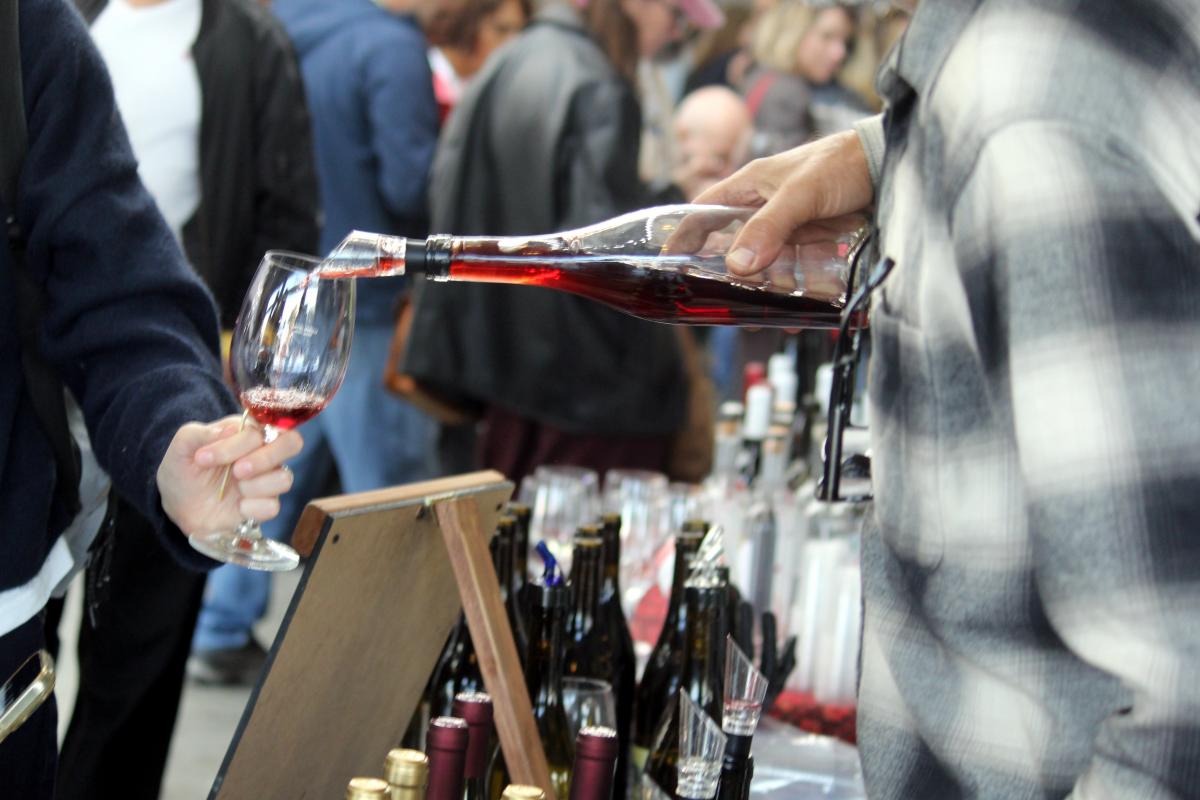
If you are interested in the latest developments in Georgian winemaking and new wine flavors, be sure to visit the “New Small Wineries on the Big Arena” festival. Organized by the Wine Club, this year’s event took place on October 24 at the Underwheel Club in Mtatsminda Park. The festival brought together winemakers, most of whom are just starting out and beginning to introduce their wines first to Georgian wine lovers and then to the rest of the world.
Traditionally organized by the Wine Club with the support of the National Wine Agency, this year’s festival was particularly interesting and distinctive. Among other things, it offered a glimpse into the trends that have emerged in the small family winery segment in recent years.
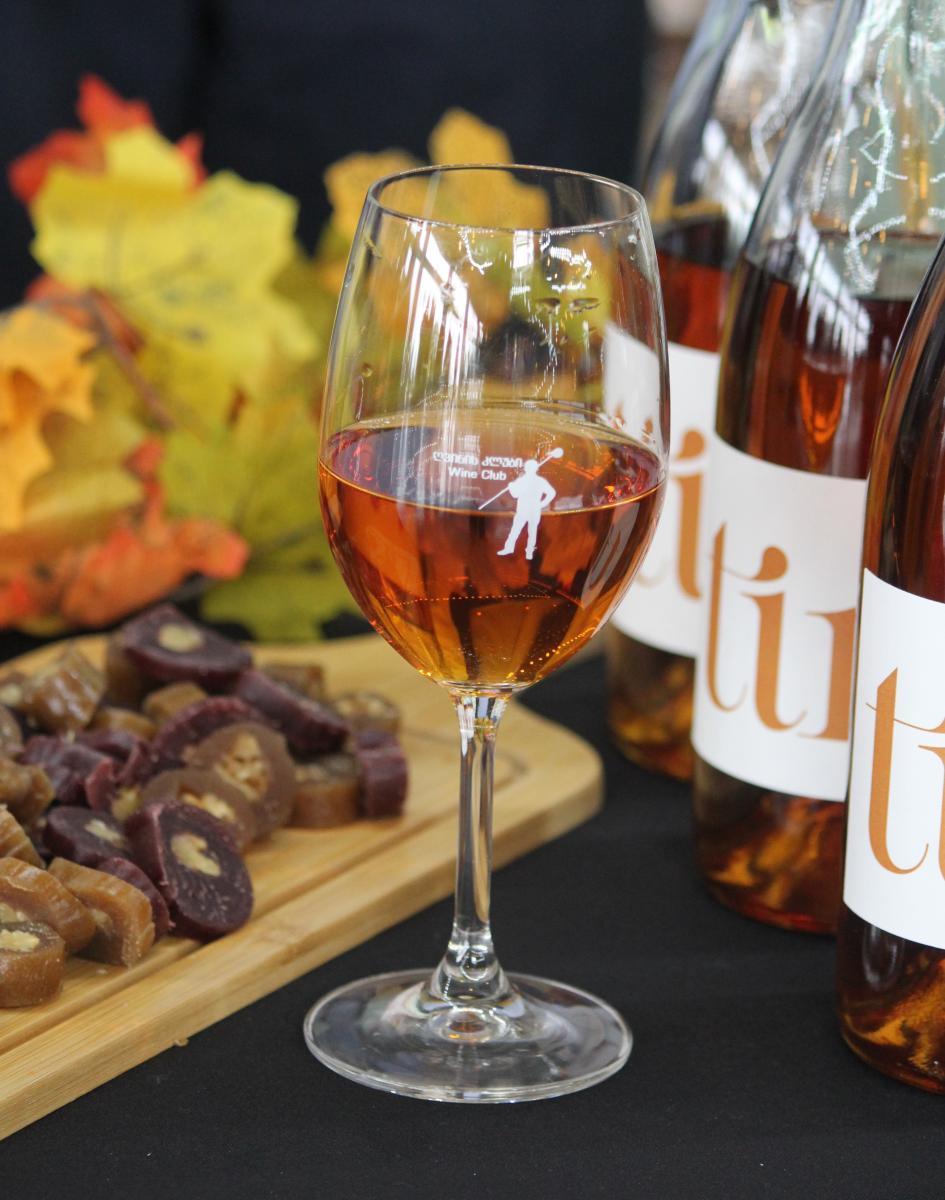
There was a time when small wineries typically began producing wine at home, mainly using qvevri. This marked a kind of “qvevri boom.” Later came the era of Pét-Nats. As this style of wine was a novelty for consumers, almost every winery tried to produce it using Georgian grape varieties. These experiments yielded a number of interesting results, although some attempts did not achieve the desired outcome.
This year’s festival showed that small wineries have refined their craft and developed a better understanding of their own capabilities. They now approach winemaking trends more thoughtfully rather than blindly following fashion. Most new wineries take into account the characteristics of their regions, traditional winemaking principles, and local wine styles. After carefully considering these factors, they produce wines that ultimately become the signature of their wineries.
Festivals like this give winemakers an opportunity to see firsthand how consumers respond to their wines, assess the viability of their products, and determine whether any changes are needed. The festival also provides an important platform for new wineries to showcase their potential, exchange experience, and build relationships with consumers.
Soso Sulava, Sulava Winery: “We love this festival and never miss it. There are many new developments at our winery, and we want to share what we create with wine lovers. For a winemaker, sharing their work is the main motivation to keep going and continue developing. I see many new faces here. For them, this day is even more special. I wish everyone great success in this challenging but very necessary and interesting endeavor.”
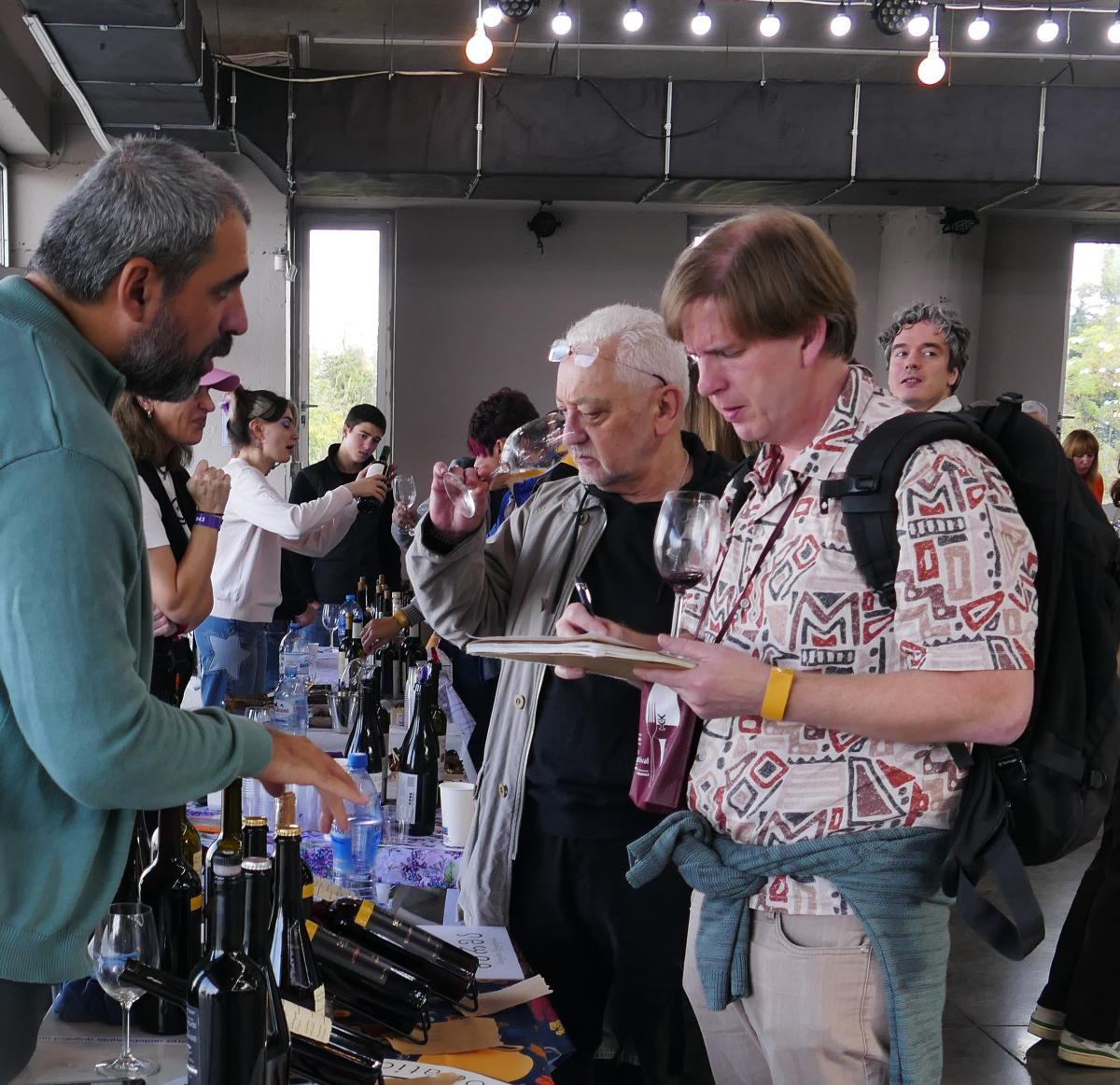
As small wineries develop, the importance of Georgia’s regional winemaking diversity is becoming increasingly evident. While consumers once focused mainly on well-known grape varieties and established wine styles, small wineries today are seeking to showcase lesser-known local varieties, highlighting their distinctive character and the flavors associated with particular places. This process is especially important for winemaking in Kartli, Imereti, Racha, Guria, and other regions of Georgia, where many interesting possibilities remain to be explored.
Soso Kopadze, Kapito Winery: “We want to gain a better understanding of our own capabilities through this festival. We are working to promote Kartli grape varieties in Kaspi Municipality. Kartli has many interesting grape varieties, and promoting them is one of our main goals. We currently have a small, newly planted vineyard, so we also buy grapes from different growers in Kartli. I believe we are producing interesting wines. For example, we sourced grapes of the rare Kartli variety Mukhamtsvane from the village of Kvrakheti in Gori Municipality. We produce around 1,500 bottles of wine a year. Both our vineyard and our winery are located in the village of Khandaki.”
Today, even beginning winemakers understand that developing a small winery involves much more than making good wine. Presenting the product effectively, building relationships with consumers, maintaining consistent quality, and finding markets where the distinctive qualities of a particular wine will be appreciated are equally important. Festivals provide winemakers with opportunities for direct communication with consumers. Feedback from wine enthusiasts and opinions from professionals help producers better understand both the strengths of their products and the areas that require further work.
David Goginashvili, Shilduri Family Winery: “Every festival is an opportunity to present ourselves and our wines. It is rewarding when others appreciate what we do. We restored our grandfather’s winery in the village of Shilda, and today we produce several styles of wine. We oversee the entire production process, from tending the vineyard to processing the harvested grapes. We try to make our wines with minimal intervention. They are unfiltered and fermented with the skins and stems. Our Rkatsiteli ferments and ages entirely in qvevri, while our other wines are transferred to stainless steel tanks after spending time in qvevri. We have been bottling our wine for three years and have also begun developing our small business.”
The festival once again demonstrated that winemaking is a constantly evolving process. Some winemakers are breathing new life into cellars inherited from their ancestors, others are returning to old grape varieties, while still others are linking wine production with tourism development in their regions. As a result, wineries are emerging that offer consumers not only the chance to taste new wines but also to learn more about the places they come from and the cultures associated with them.
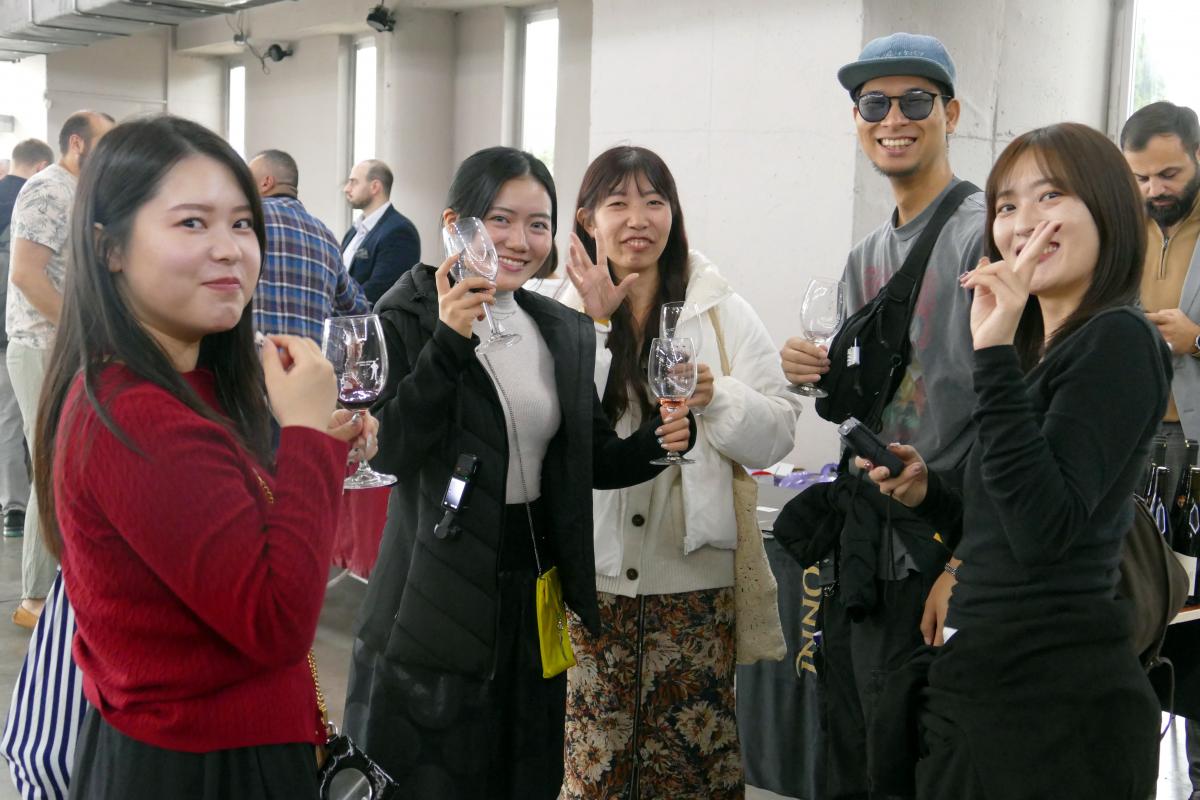
Ana Pachikashvili, Terrace Zinobiani: “We come from Zinobiani, a village in Kvareli Municipality inhabited by ethnic Udis, who are the last surviving representatives of the ancient Albanians. I run a small family guesthouse in Zinobiani, where we host tourist groups. They are interested in our language, cuisine, and culture. We also have a small winery. So far, we bottle only Saperavi, but in the future we plan to produce Kisi and Saperavi rosé wines as well. Our Saperavi vineyard covers half a hectare, while we buy grapes of other varieties from a grower certified for organic production. We are also considering planting Khikhvi. My grandfather built our winery about 50 years ago, and the old qvevri are still in use today.”
Bakradze Brothers’ Winery, Kareli: “We planted our first vineyard in 2021 and have continued expanding it ever since. This time, we presented a Shavkapito wine made in stainless steel tanks. We also grow other varieties, which we plan to present to consumers at future festivals. We are working to reintroduce Kartli grape varieties in Kareli and give our region greater visibility on the map of Georgian winemaking. My brother and I have this in our blood, and we started this venture together. Last year, we produced around 1,000 bottles of Shavkapito and nearly 300 bottles of wine from other varieties. Unfortunately, the weather let us down this year, and we were unable to achieve the harvest we had hoped for. Kareli has enormous potential for winemaking, and I want to show the whole country what our region has to offer through festivals like this.”
Over the years, the “New Small Wineries on the Big Arena” festival has established itself as a meeting place for winemakers with different backgrounds and perspectives, consumers, and others interested in wine. Such gatherings help raise awareness of small wineries, foster new connections, and showcase the diversity of Georgian wine. Ultimately, the success of small wineries is about more than the achievements of individual producers. It is an important part of the development of Georgian winemaking, the preservation of regional traditions, and the emergence of a new generation of wine culture.
© Wine Club / vinoge.com
 Print